All Categories
Featured
Table of Contents
By Brandon Warren, Chief Growth Officer Retail is one of the most vibrant segments, especially when it concerns embracing and incorporating new innovations and company designs. It's the only way to exist and grow in such a competitive world. One of the most interesting modifications recently is the increasing popularity of the "Buy Online, Pickup In Shop" (BOPIS) model.
Offered that the last-mile delivery market is still on an upward development trajectory, one may wonder why click-and-collect is likewise increasing. Retail method company, The Barcode Group, anticipates that the buy online, pickup in shop model is here to stay, suggesting that every business with physical shops ought to think about utilizing it in mix with numerous agile retail trends to upgrade the client experience and improve foot traffic in both physical and online areas.
In easy terms, BOPIS permits customers to position and pay for an order online, then select up the products at a close-by physical location. This goes versus how traditional online shopping works, where your online order is sent to the last-mile shipment system before it reaches your door. But current information says that the last-mile delivery market offers no signs of stagnation or decrease.
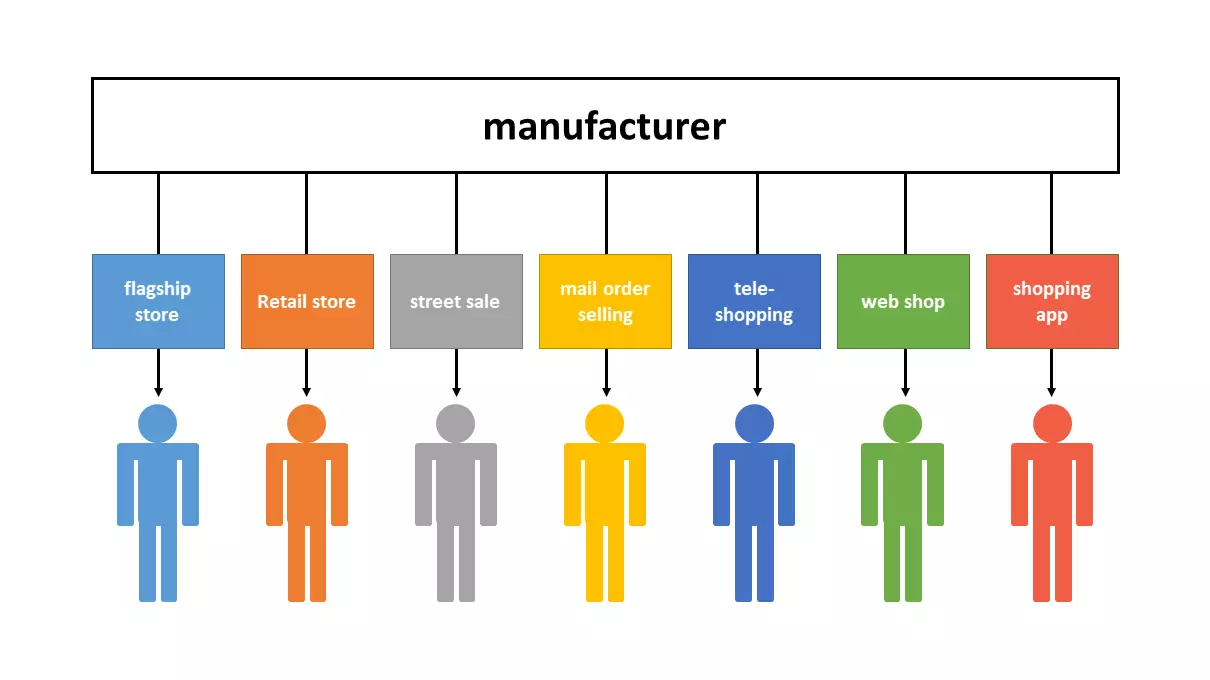
Home shipment stays consumers' preferred option, particularly during peak seasons, but click-and-collect deals several uncontestable advantages to both customers and sellers. Here's a list of typical benefits for consumers.
Comparing Unified vs Local Fulfillment ModelsThere are no shipping charges, which can be a considerable cost for online orders. Clients know the product is in stock and ready for collection at a particular place.
Leveraging Advanced WMS for Optimal Operations
Contribute to this the improved consumer experience, and it's easy to see why this market sector is on the increase, with a forecasted $36.95 billion by 2034. The best method, backed by retail experts, is a double strategy that develops a more robust and customer-centric fulfillment design. Companies that provide delivery alternatives and BOPIS cater to different client choices and handle logistics more efficiently.
This is a modular technique in which the front-end customer interface (site, app, social networks store, landing page, and so on) and back-end systems (stock, checkout) run independently. You do not always require a brick-and-mortar shop, with all the costs that entail, to use BOPIS. Many brands utilize so-called dark shops, which are more like little, automated distribution centers than public stores.
They typically count on automation and real-time data integration through composable commerce systems. Q-commerce is one of the most aggressive forms of nimble retail. Like same-day shipment, this is an advancement of e-commerce, driven by consumer demand for speed and convenience. A lot of food and grocery shipment brand names practice fast commerce to attract more customers in an oversaturated market and make their loyalty.
Offered this structure's style, it's best coupled with headless architectures by connecting satisfaction, payment, and delivery services through modular, API-driven components. In 2024, TikTok Shops tape-recorded an estimated $33 billion in international sales, while Instagram created around $37.2 billion in commerce earnings. This is why retail brand names focus intensively on social commerce methods nowadays.
Leveraging Modern WMS for Optimal Logistics
By including the click-and-collect choice, you incentivize social networks users to select your brand over those that only offer shipment. Clients worth benefit and fast shipment, and a retail strategy that integrates last-mile and BOPIS will help you use just that. It's also an excellent way to stand apart in an extremely competitive market, because customers have more alternatives for how they get their orders.
This post was upgraded on February 2, 2022 Curbside pickup ended up being progressively popular at the height of the COVID-19 pandemic, however the advantages of this service have actually turned it into a complimentary business process that makes certain to last well beyond the pandemic. In reality, the shift has been so popular that Adobe Analytics reported curbside pickup at retail stores has actually increased 208% throughout the pandemic.
Mastering Unified Inventory Control across Modern Channels
By not providing curbside pickup to your customers, you might be falling behind. If this is a new idea for your small companies, this guide will help you start. First things first, what is retail curbside pickup? Retail curbside pickup indicates any order that's obtained outside the physical store place.
When put, a customer buyer simply has to get to the designated pickup location to get their order from a worker stationed curbside. Sounds simple? Here's how to tell if your store location business is prepared to delve into the retail curbside pickup game, in addition to the logistics essential to make the alternative work.

Latest Posts
Future-Proofing Your Logistics Supply Chain for 2026
Navigating Global Stock Control in Modern E-Commerce
Managing Complex Multi-Platform Order Workflows